C., a 35-year-old mother of four, has suffered for years from severe epileptic seizures and increasing impairments. For 15 years, she went through every standard therapy but the seizures only worsened.
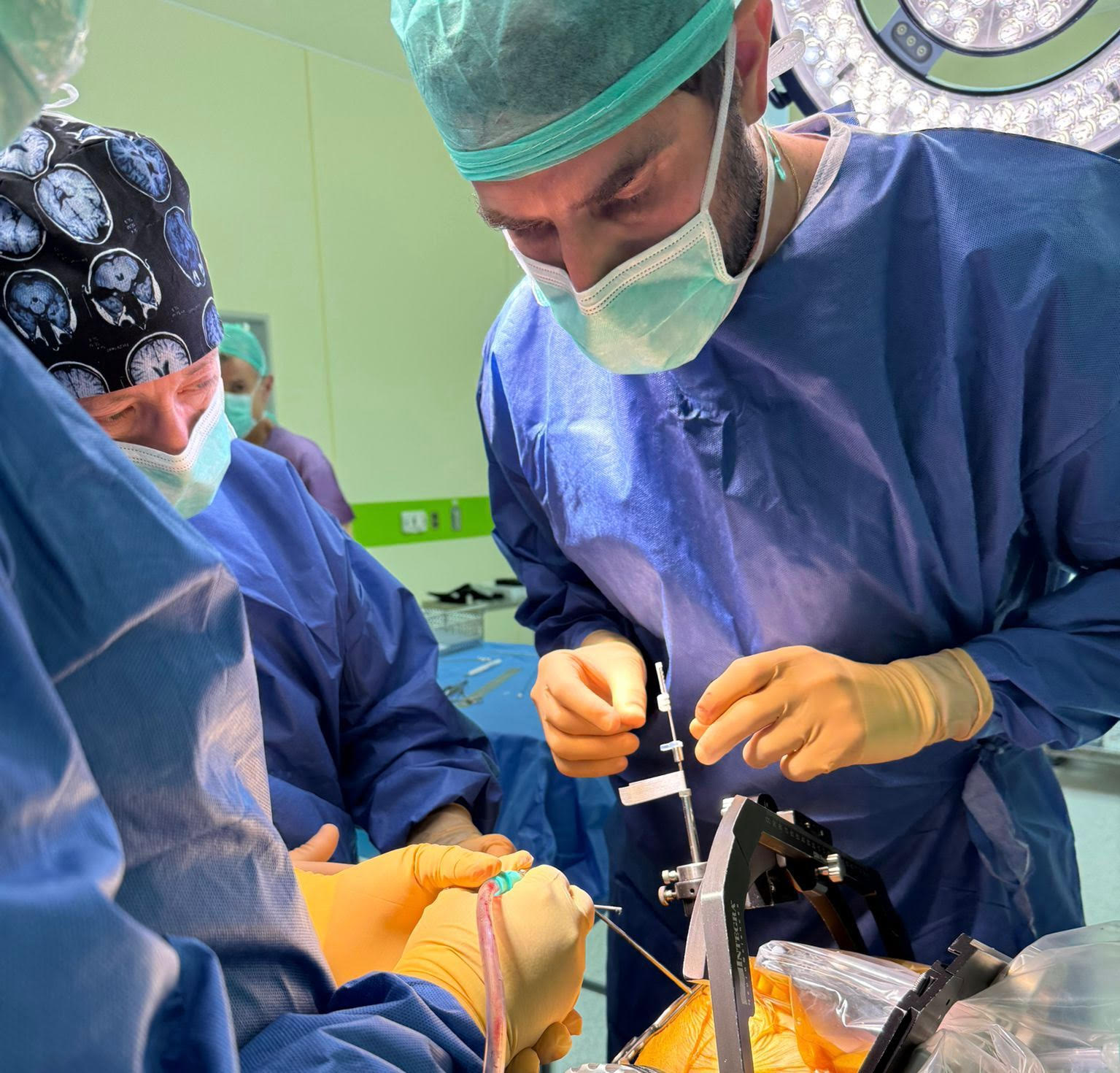
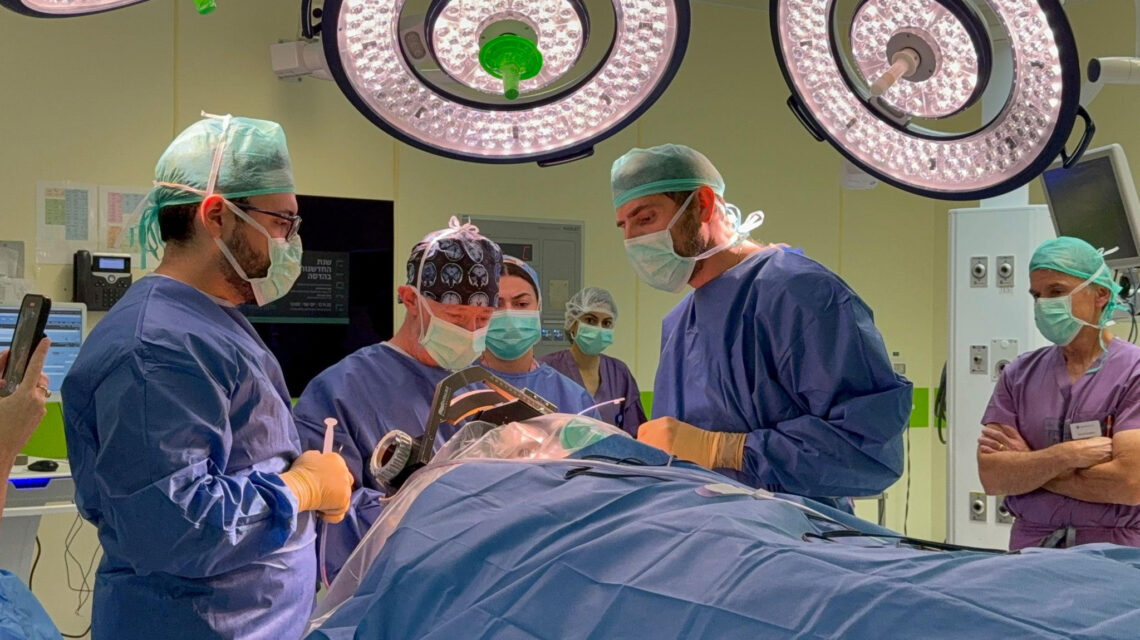
On Monday, at Hadassah Hospital Ein Kerem, she underwent a first-of-its-kind surgery in Israel, in which a small RNS (Responsive Neurostimulation) device was implanted under S’s scalp. The device detects abnormal electrical activity in the brain and neutralizes a seizure before it begins.
The procedure was hitherto carried out solely in the US and Canada..
Prior to the surgery, the epileptic focus in S.’s brain had to be identified. The Hadassah team, led by Prof. Dana Ekstein, head of the Neurology Department and the Comprehensive Epilepsy Center, carried out a series of tests, including MRI scans and PET-CT, and monitoring via electrodes. After continuous monitoring of the electrical activity, the team pinpointed the focus that triggered the seizure.
The breakthrough surgery was carried out by Dr. Sami Hayman a specialist from the Neurosurgery Department, together with Professor Zvi Israel who heads the department and anesthetist Dr. Zaid Abu Armila.
In the surgery, the RNS device – developed by NeuroPace and represented in Israel by Tzamal Medical – was implanted into the epileptic focus. The device monitors the electrical activity in the area and identifies S.’s seizure pattern. Once it detects suspicious activity, it sends short electrical pulses that prevent a seizure from occurring.
“It’s completely personalized medicine, so the pacemaker is programmed to C.’s brain in a personal and precise way,” explained Prof. Ekstein. The only alternative to the procedure would have been the removal of the affected area, which could have damaged C.’s vision.
Following C.’s recovery, the device will be programmed at the Comprehensive Epilepsy Center, the only one in Israel which specializes in the programing of RNS devices. The team at the Epilepsy Center includes Dr. Dawn S. Eliashiv, of the UCLA Seizure Disorders Center. Dr. Eliashiv said the device has reduced seizures by 82% among her patients in the US and helps prevent sudden death caused by epilepsy.
Prof. Ekstein noted how she accompanied S. through her difficult pregnancies. “We were concerned not only for her as the pregnant woman but also worried about potential harm to the fetus due to the falls. She began using a wheelchair more and more.”
“Over time, she stopped working, and her life became truly complex and difficult from year to year.”
“The surgery went as planned and was successful,” Prof. Ekstein said.
C. had been waiting eagerly for the procedure for several months. “We expect the pacemaker to be activated and for C.’s condition to improve,” Prof. Ekstein said.