A wave of emotion swept Israel and its global community of friends as news broke that the body of the last Israeli hostage in Gaza, Police Staff-Seargent-Major Ran Gvili, had been recovered and was on its way back to Israel, for a fitting burial. Our hostages are all home.
Almost as soon as confirmation came that the remains were indeed Ran’s, Israel’s president and First Lady Isaac and Michal Herzog removed their yellow ribbon pins. In doing so, they expressed a nation’s shared acknowledgment that, after 843 days, we could now turn the page on October 7.
In our troubled region, other dangers may lay ahead. But now, at least, we can heal from the terror of October 7 and from the torment of the hostages.
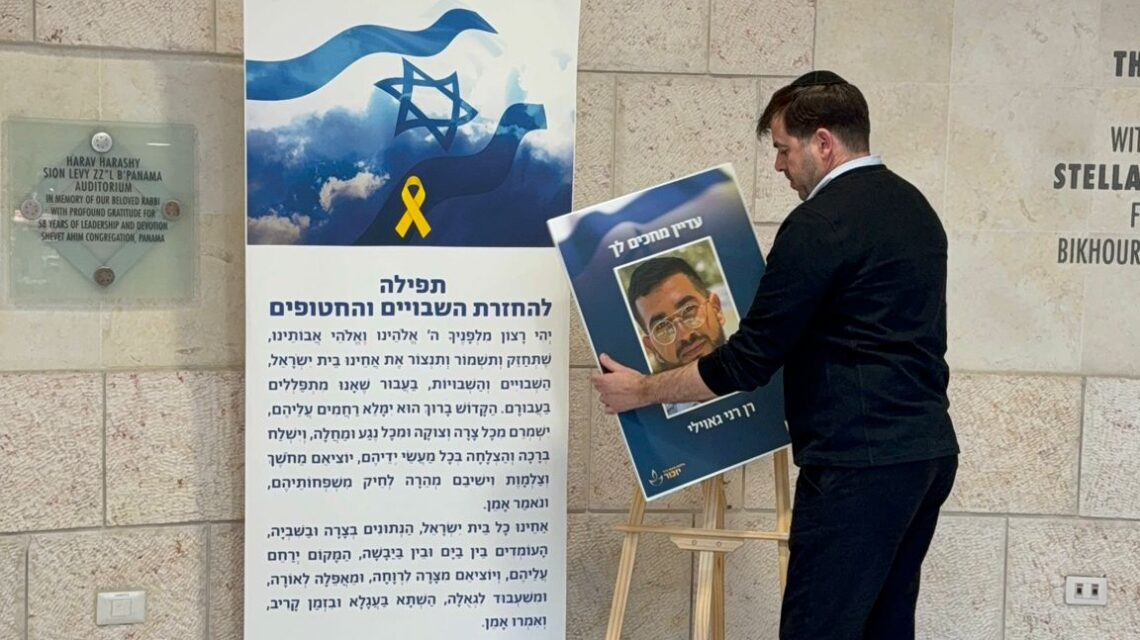
At Hadassah, we joined in this removal of yellow ribbons and the sense of closure it expressed. And, with the dismantling of the hostage display that had been a fixture of the concourse at Hadassah Hospital in Ein Kerem for almost two and a half years, we began a new chapter in our battle for survival.
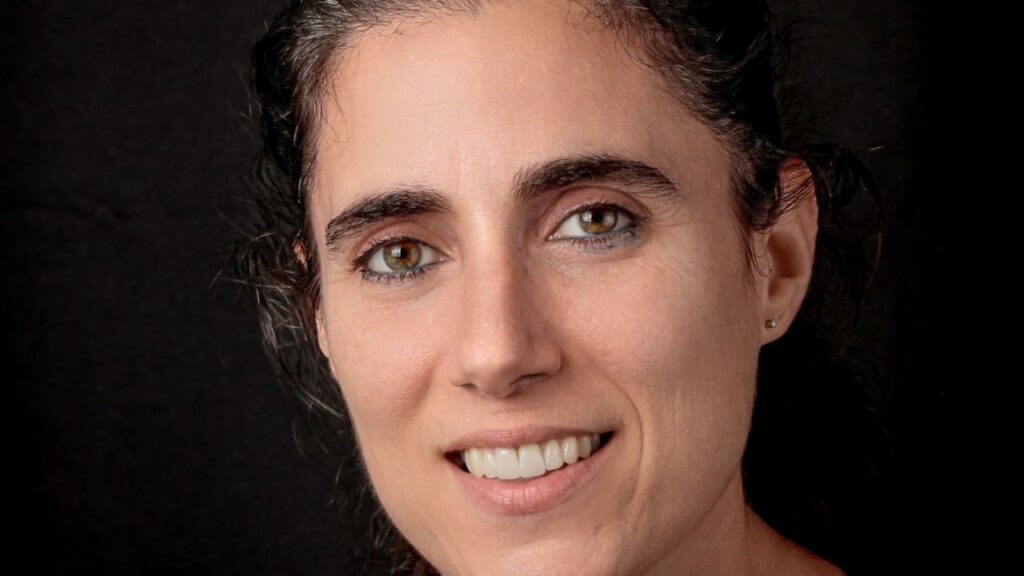
The powerful moment was all the more poignant for Hadassah because the confirmation that Ran had been found came from one of our own, Dr. Esi Sharon-Sagie.
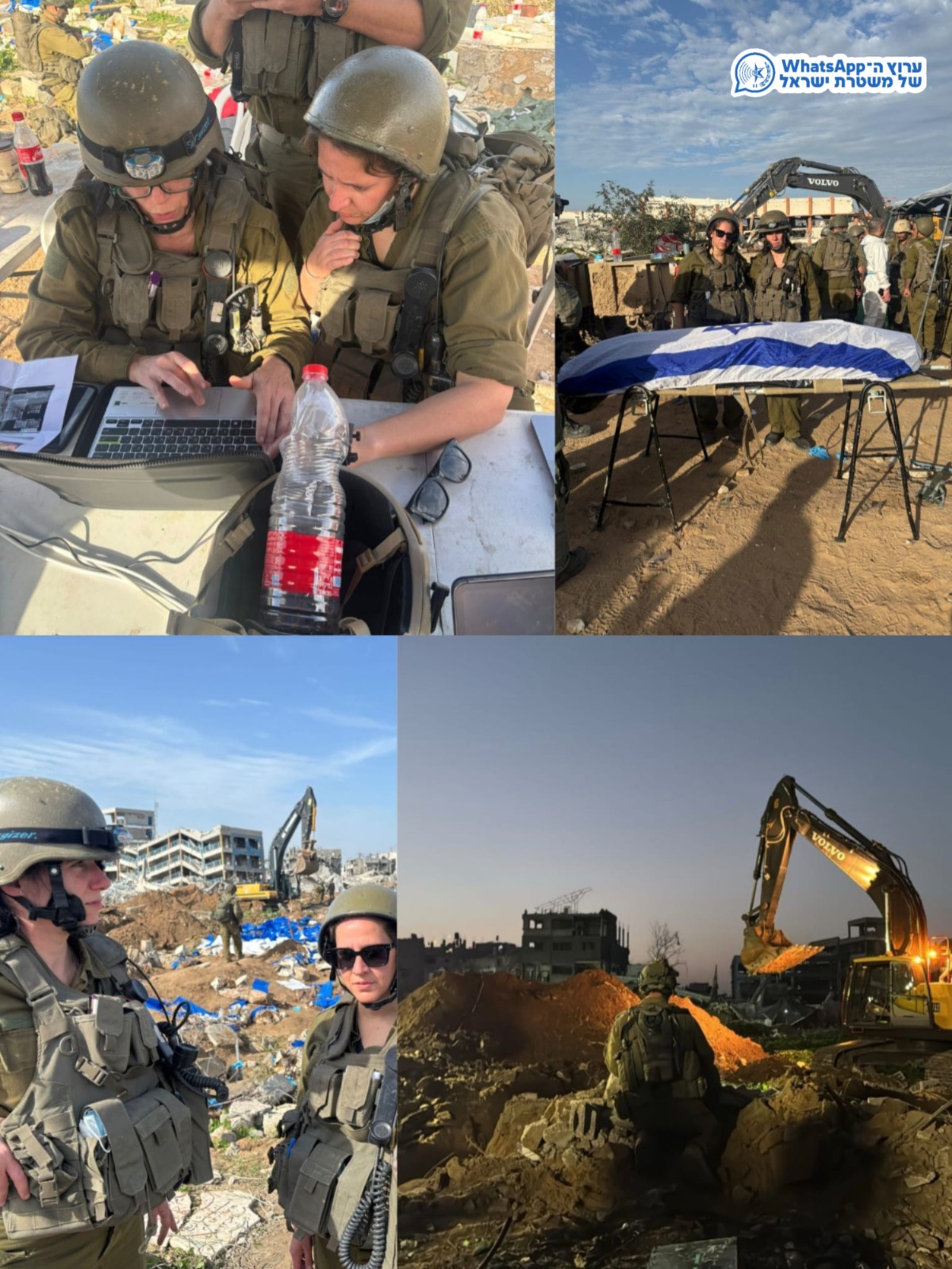
Last Shabbat, Dr. Sharon-Sagie, the director of the Oral Rehabilitation Graduate Program at the Hadassah-Hebrew University School of Dentistry, was called to her voluntary role as head the Israel Police’s forensic odontology victim identification unit, to examine different sets of human remains.
Although she has examined thousands of bodies since October 7, now, for the first time, she did so on site, in Gaza. Here’s Esi’s account of the raw drama of discovering Ran himself.
“The team knew what we were looking for: Rani’s personal dental structure, which makes up a biological signature… By Monday, we had ruled out two hundred corpses.
“And then, suddenly, after another hour and a half and another fifty bodies, I received a photo from the excavation team urging me to ‘look, look’ with many exclamation marks. I asked to see the body. We had the mouth x-rayed. There can be no room for error in our work.
“When his body was before us, we dentists all stood around him in a circle. My heart was pounding, but it was no time for emotion. I had to use all my professional knowledge. I had to stay totally focused. I looked at the x-ray and examined the teeth. I made the positive identification. This was Rani.
“I phoned Intelligence to inform his parents. Then Ilana and I sat down and wrote the report.
“And then came the huge wave of sadness.”
“I consider it a huge privileged to have been able to do my part in the war. What we dentists know how to do for the war effort is to examine teeth to identify the dead. We slept for two and a half years with our phones near our pillows, because we were called at any time, day or night, to do our job. We started in the Shura base, then moved to the National Center for Forensic Medicine at Abu Kabir, and now we ended our work in Gaza.
“And now we were done. Rani was the last, a police officer, and Ilana and I work for the police. It felt symbolic.
We had examined approximately 250 bodies, and he was our ‘251st.’ There were 251 hostages after October 7.
“I have met the most incredible people on this journey, and they are my supportive close friends: religious, haredi, secular, men and women. The work is grueling, but I don’t need a psychologist or psychiatrist. I am surrounded by this supportive team who are always there for me. “
* * *
And now, we are all done. We can all begin to heal. As we do, Hadassah’s will continue to play its role as Jerusalem’s leading provider of mental health services, as one of Israel’s top centers for trauma and post-trauma care, as a source of expertise and support for our friends around the world.
Welcome home, Rani Gvili. May your memory be blessed. And may we all find comfort among the other mourners of Zion and Jerusalem.
Ran Gvili’s father, Itzik, meets Dr. Sharon-Sagie, who led the identification process.