
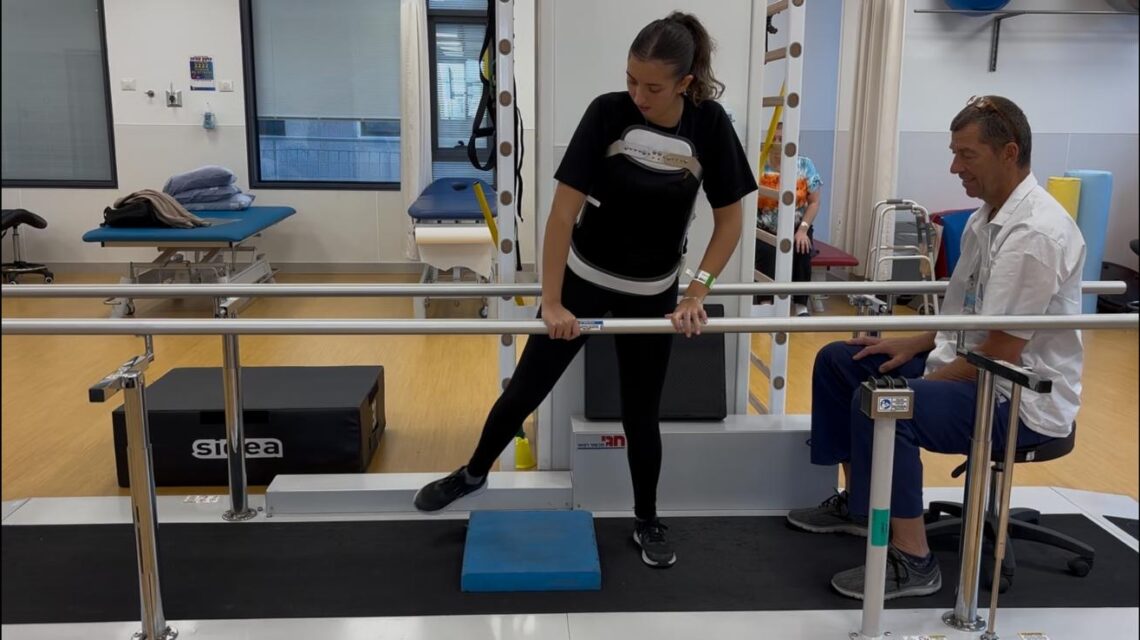
During her long‑awaited post‑army backpacking trip in Guatemala, 21‑year‑old Jerusalem native Maya Avnun suffered a devastating spinal fracture that left her unable to move her body. Local doctors recommended immediate emergency surgery — a procedure that carried a high risk of permanent paralysis. But a decisive intervention by Prof. Josh Schroeder, Director of the Spine Surgery Unit at Hadassah, dramatically altered the outcome. His decision to urgently airlift her to Israel most likely saved her ability to walk.
Like many young Israelis completing their military service, Maya had spent months planning a multi‑country adventure with a close friend. After thousands of miles of travel, they arrived at a popular cliff‑jumping site well known among backpackers. After watching others jump safely, she decided to participate. When she hit the water, she landed in a seated position and immediately experienced severe back pain, quickly realizing that something was very wrong and that she could not move her body to swim.
The rescue was long and chaotic. Staff members struggled to reach her, and once she was brought to land, she was unable to climb out of the area due to her immobility. Hours passed before she was taken to a medical facility capable of evaluating her condition. There, doctors diagnosed a severe spinal fracture dangerously close to vital neural structures and warned of potential neurological deterioration. They informed her family — with the help of a translator — that Maya had sustained a fracture “in a very complex area of the spine, close to critical neural structures,” and that “her legs were weakening and that there was a high likelihood she might not be able to walk again.”
While Maya was already being prepared for emergency surgery, her parents urgently sought additional medical guidance. Hoping to avoid a procedure that carried such high risks, they contacted Prof. Schroeder. In what they later described as a stroke of luck, they managed to reach him just two hours before Maya was scheduled for surgery.
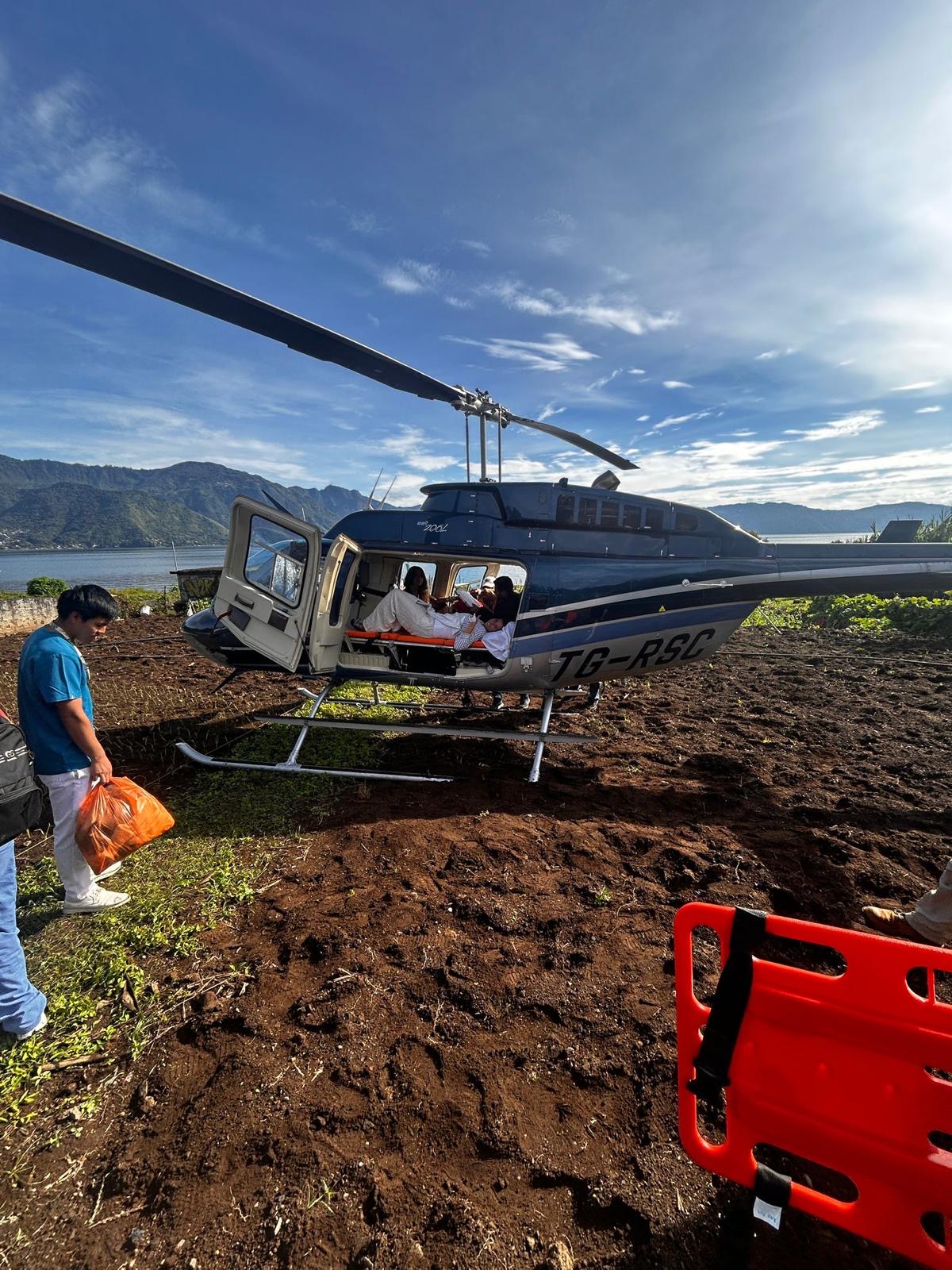
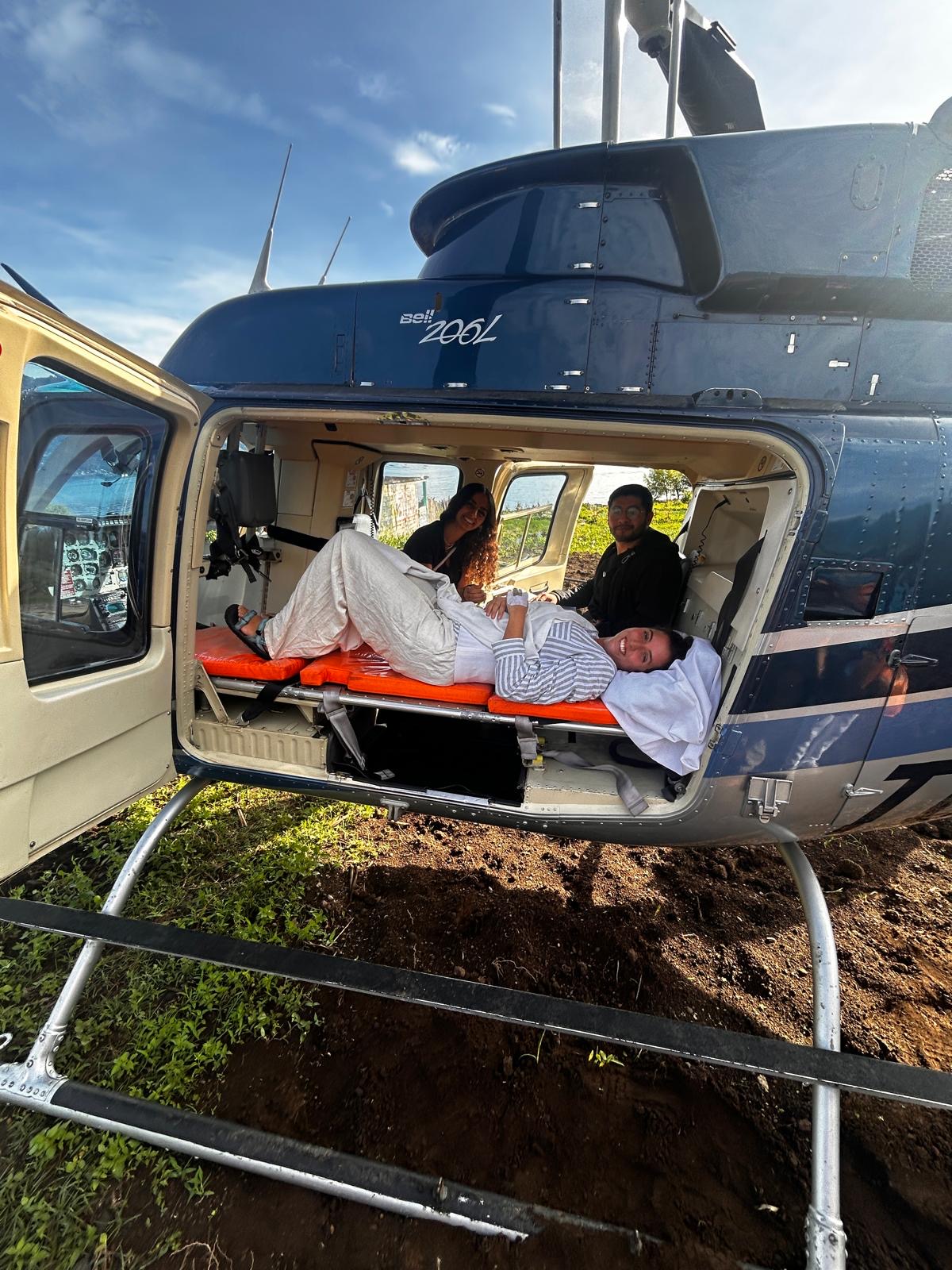
During a video call, Prof. Schroeder reviewed videos showing slight movement in Maya’s legs. Based on this, he reached a clear conclusion “that she must be urgently airlifted to Hadassah in Israel.” He explained that performing such a complex spinal procedure without advanced imaging technology and robotic guidance would dramatically increase the risk of permanent paralysis. Faced with an agonizing choice between immediate surgery in Guatemala or an emergency medical evacuation, the family trusted his judgment.
Maya was transported on a medical evacuation flight to Hadassah Mount Scopus, where Prof. Schroeder and the operating room team were already prepared when she arrived. After a comprehensive evaluation, he confirmed that she had “a comminuted fracture of the spine,” and emphasized that “the major concern was that she could become paralyzed in her lower body.”
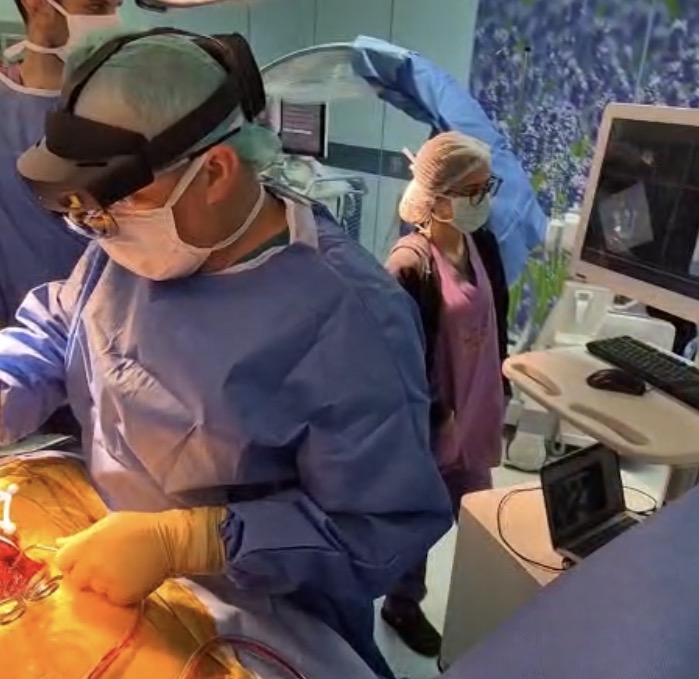
Using advanced instrumentation, robotic navigation, and a minimally invasive surgical approach, Prof. Schroeder and Dr. Ohad Einav, together with anesthesiologists Dr. Marina Weitman and Dr. Ahmad Badr, stabilized the damaged vertebrae while avoiding injury to the surrounding neural structures. Prof. Schroeder later stressed that “this surgery could not have been performed in Guatemala. Without the technology available at Hadassah and the expertise we have here, it would not have been possible to carry out the procedure without causing severe damage to Maya’s function, and the likelihood of permanent paralysis would have been significantly higher.”
Following her surgery, Maya was transferred to the Gandel Rehabilitation Center at Hadassah Mount Scopus for intensive rehabilitation. There, she began a structured program aimed at rebuilding mobility, strength, and neuromuscular control. According to her mother, “We were incredibly fortunate that we had that conversation with Prof. Schroeder. He is like Maya’s guardian angel.” She added that throughout the ordeal, “we didn’t know whether our daughter would be able to walk again,” and expressed deep gratitude for the expertise and support that “put her back on her feet.”
Today, Prof. Schroeder is optimistic about Maya’s long‑term recovery. “Maya’s surgery was successful, and after completing rehabilitation she will be able to walk normally and function as she did before the injury,” he says. “She may even be able, if she chooses, to return and complete her post‑army trip.”