
When 20-year-old Sarah was 10 weeks pregnant, her doctor strongly recommended terminating the pregnancy. Sarah had been born with mitral valve prolapse, and her sister—who had an aortic valve problem—had died tragically during pregnancy when her aorta ruptured.
Desperately seeking a second opinion, Sarah came to Dr. Rachel Wald, an adult congenital heart disease expert at Hadassah Medical Organization.
A different assessment: “She really shouldn’t have been at prohibitively high risk for pregnancy,” Dr. Wald said. “I didn’t think she should terminate her pregnancy even though she had a significant valve problem.” The risks could be managed.
Comprehensive investigation: Dr. Wald knew it was critical to determine how Sarah’s condition related to her sister’s death. A concerning sign: Sarah’s aortic root appeared to be enlarging, perhaps as her sister’s had.
A multidisciplinary team at Hadassah hospitals—including cardiologists, high-risk obstetricians, and genetics specialists—reviewed the case to map out Sarah’s care.
The shocking discovery: Sarah underwent an expedited cardiac MRI and urgent genetics assessment. Fortunately, her aortic measurements weren’t large enough to put her in imminent danger. But the geneticists had stunning news: Sarah had Marfan syndrome, a genetic condition affecting the body’s connective tissues.
Typically, people with Marfan syndrome are tall and thin with long limbs. Sarah was neither. The diagnosis couldn’t be made with certainty until bloodwork identified a mutation in the fibrillin gene.
Life-saving treatment: Women with Marfan syndrome are generally advised to take preventative medications to protect their aortas from enlarging during pregnancy. Sadly, Sarah’s sister had never received that advice.
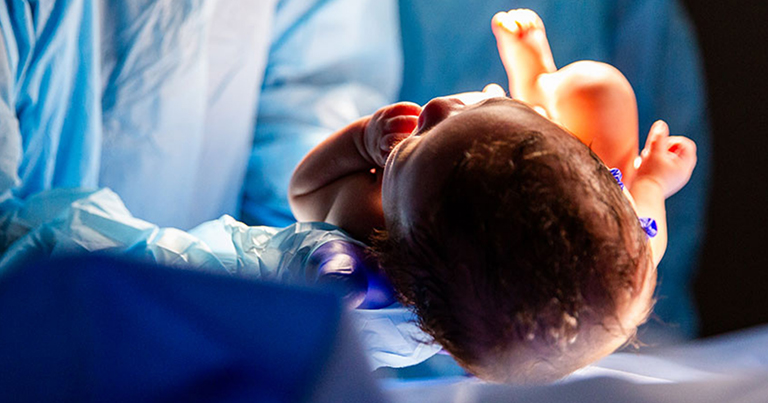
Sarah received proper care and delivered her baby naturally and without complications. She has a beautiful, healthy baby girl who is thriving.
The impact: “If she hadn’t come to Hadassah hospitals, she may have terminated her pregnancy, thinking the pregnancy risk was too high,” Dr. Wald said.
“This new diagnosis is critical not only for Sarah and her husband but for others in her generation and the generations to come.” Marfan syndrome is usually hereditary, with a 50% risk of transmission to offspring.
A second opinion at Hadassah changed everything—not just for one pregnancy, but for generations to come.