
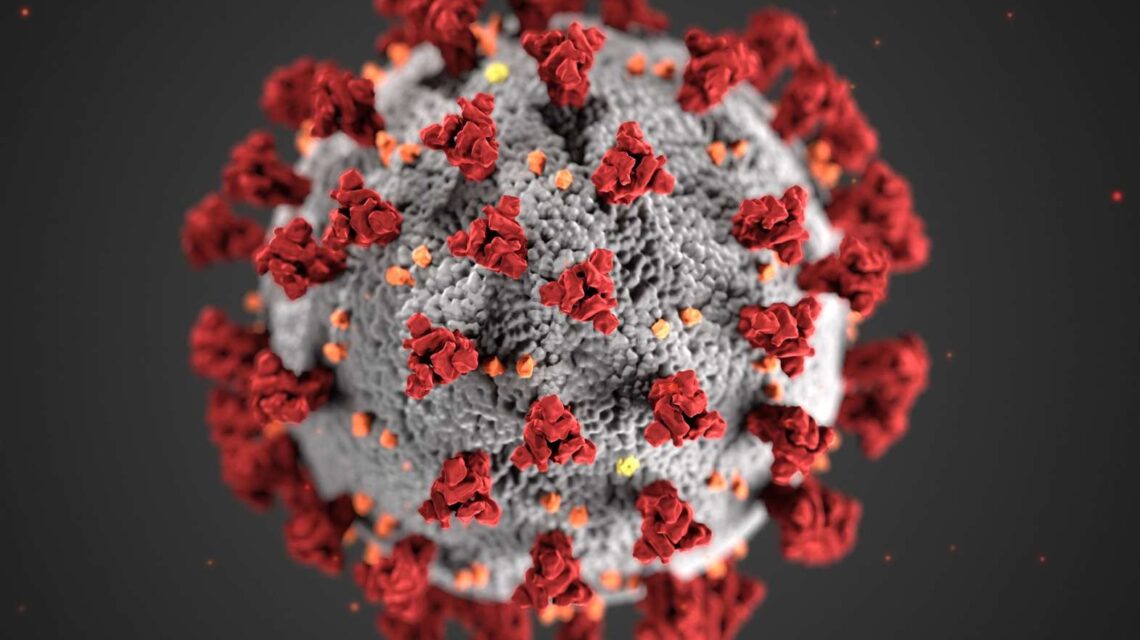
As the Covid-19 pandemic recedes, a new study led by Prof. Alex Gileles-Hillel, pediatric pulmonologist at Hadassah-Ein Kerem, finds that increased risk of lung cancer may be among the virus’s long-term effects. It also suggests a way to identify those most susceptible to developing lung cancer, pointing the way to early and effective intervention.
The study, led by Prof. Gilles-Hillel, along with Kaylee Wallace and a team of researchers from Marshall University School of Medicine, was published in the journal Frontiers in Immunology.
People who recover from Covid-19 often develop lung scarring, which can raise the risk of lung cancer. The study explored whether a key part of the virus—the spike protein—can damage the lungs and increase cancer risk.
Prof. Gileles-Hillel and his colleagues analyzed health data from a large database and conducted experiments in mice. They also looked at inflammation, blood clotting, scarring, and tumor growth.
The data showed that people who had Covid-19 were more likely to develop lung cancer, especially smokers. In mice, the spike protein caused lung damage, inflammation, and small blood clots, and significantly increased tumor growth. Mice lacking a specific enzyme (TYMP) had less lung damage and far fewer tumors, suggesting TYMP plays a key role could be a target for future treatments to reduce long-term risks.
“While the risk per person remains relatively low, the significance at the population level can be large – especially in people with risk factors such as smoking,” said Prof. Gileles-Hillel. “A better understanding of the mechanisms may enable early detection and more effective treatment.”