
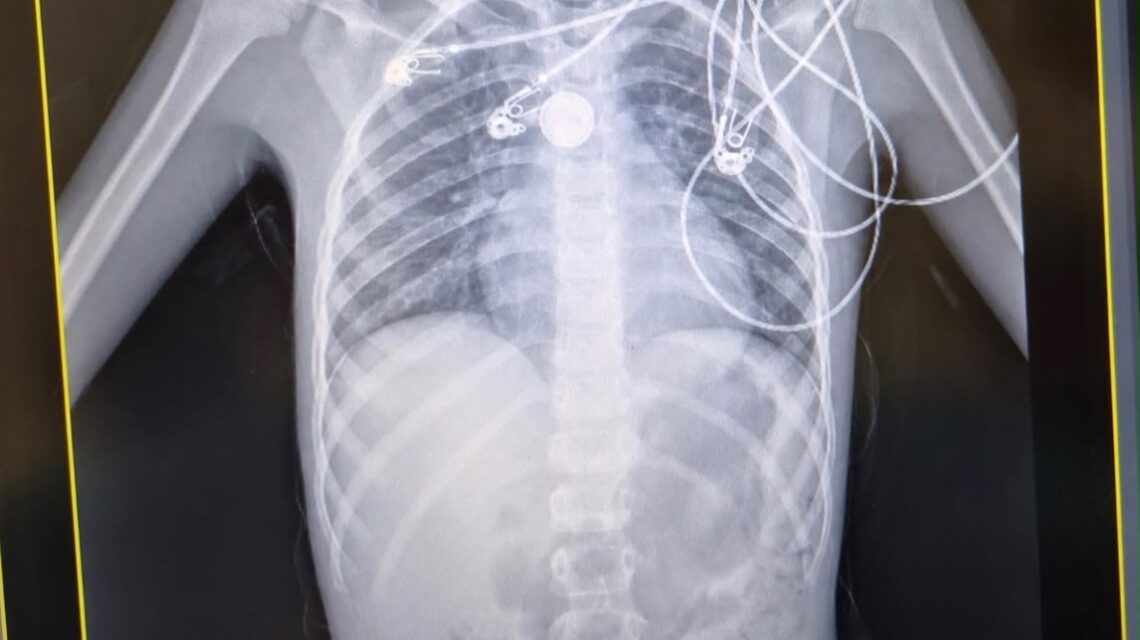
8½ -year-old severely burned after swallowing button battery, saved by Hadassah emergency surgery
A children’s game ended in two emergency surgeries at Hadassah Ein Kerem that saved the life of an eight-and-a-half-year-old Jerusalem boy who had swallowed a button battery.
“Swallowing a button battery is considered one of the most dangerous emergencies in pediatrics,” emphasizes Dr. Mordechai Slae, a pediatric gastroenterologist at Hadassah.
“Unlike swallowing a coin or other small objects, a button battery is not dangerous just because it can block the digestive tract,” he explains. “When it gets stuck in the esophagus, it creates a local chemical reaction that can cause a deep burn in a very short time.“
Thanks to the quick response of his parents and the immediate treatment of the medical staff, the incident ended without the tragedy that could have occurred.
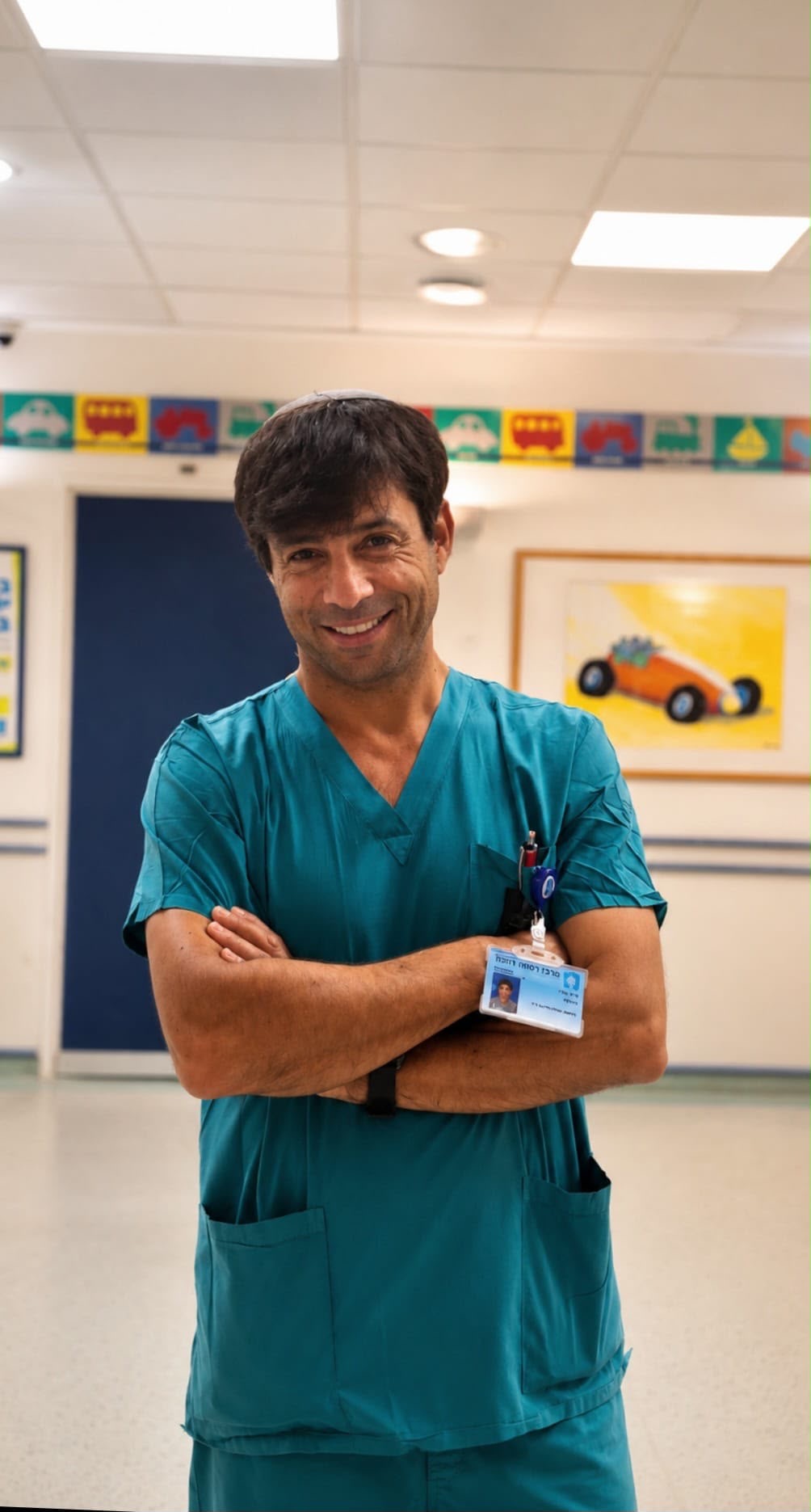
In the Hadassah emergency room, Dr. Slae instructed the staff in the early stages to give the child honey until the battery was removed. “We give 10 milliliters of honey every 10 minutes,” he explains. “The honey neutralizes the pH level of the battery and reduces the risk at critical moments.”
The boy, who was suffering from severe chest pain, was then rushed to the operating room to undergo the first operation, during which the battery was removed from his esophagus.
But, Dr. Slae continues, “even after the battery is removed from the body, the danger still does not go away completely. The tissue damage may continue to develop for days or even weeks. So, children who have undergone such an event need close medical monitoring even after discharge from the hospital.”
After the battery was removed, the child underwent another operation, which was aimed at preventing one of the most serious complications of the injury.
“In the event of severe burns like the one he had, the esophagus may rupture into the aorta” explains Prof. Alain Serraf, director of the Pediatric Cardiac Surgery Center at Hadassah Hospital Ein Kerem, who performed the second urgent surgery on the child together with Dr. Soslan Urtaev and Dr. Esther Leah Arfi Levy, pediatric heart surgery specialists. “In such cases, the threat to the child’s life is very high.
With their son now recovering, the boy’s parents reflected: “If our story causes even one parent to keep batteries out of the reach of the children, or one child to understand that batteries are not to be put in their mouths – then, we have done our part.”
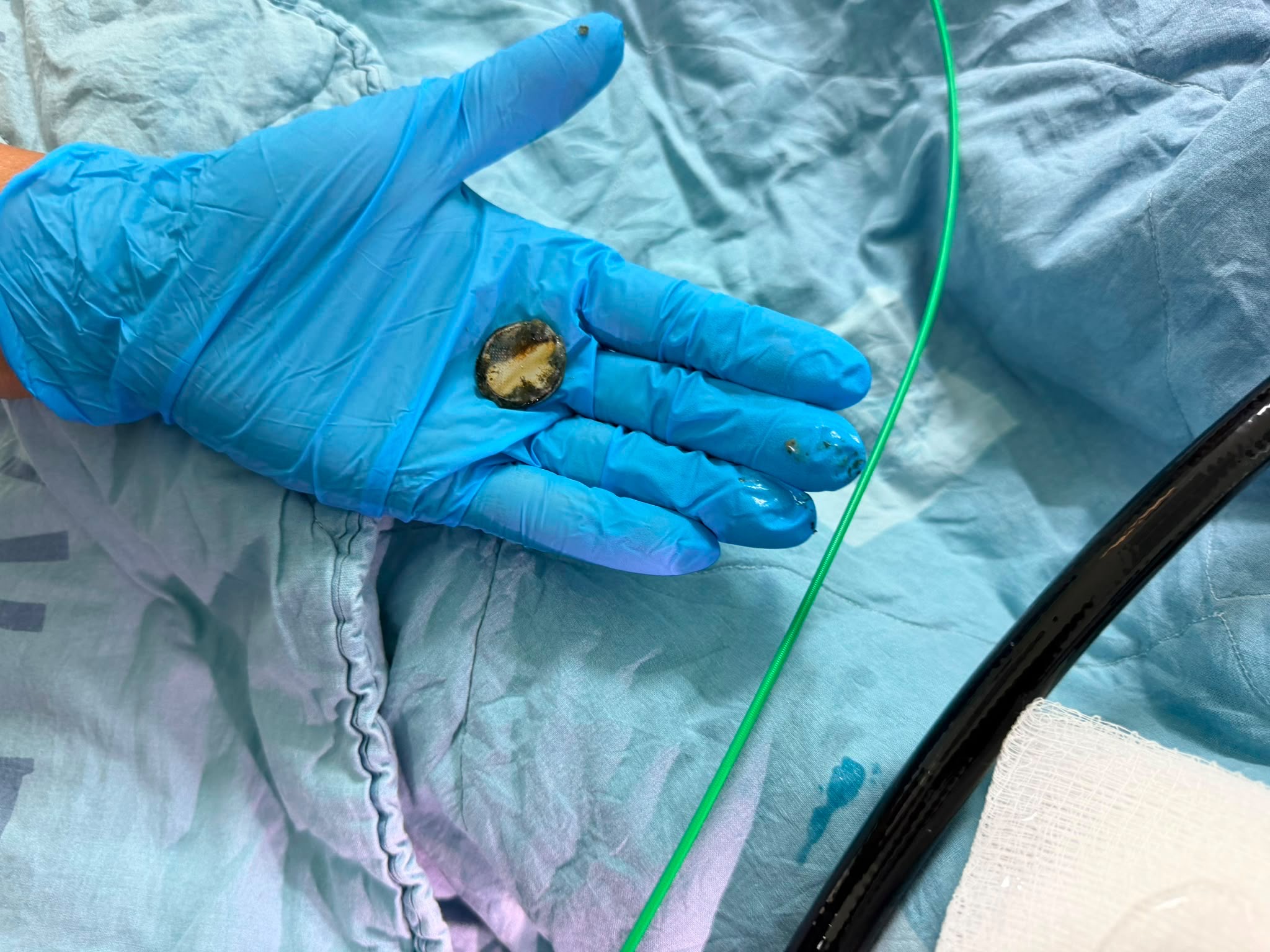
Hadassah staff emphasize that if there is suspicion that a button battery has been swallowed:
- Go to the emergency room immediately. Do not wait to see if it will come out on its own.
- Quick diagnosis, appropriate X-rays, and urgent treatment are the main factors that can prevent serious complications and even save lives.