
The next day, the girl’s temperature rose to 39°C, and that night she woke up with severe headaches. The following day, a nurse was called to the family’s home and gave the 16-year-old intravenous fluids. When her condition did not improve and even deteriorated, her parents called an ambulance and she was takento Hadassah Hospital Ein Kerem.
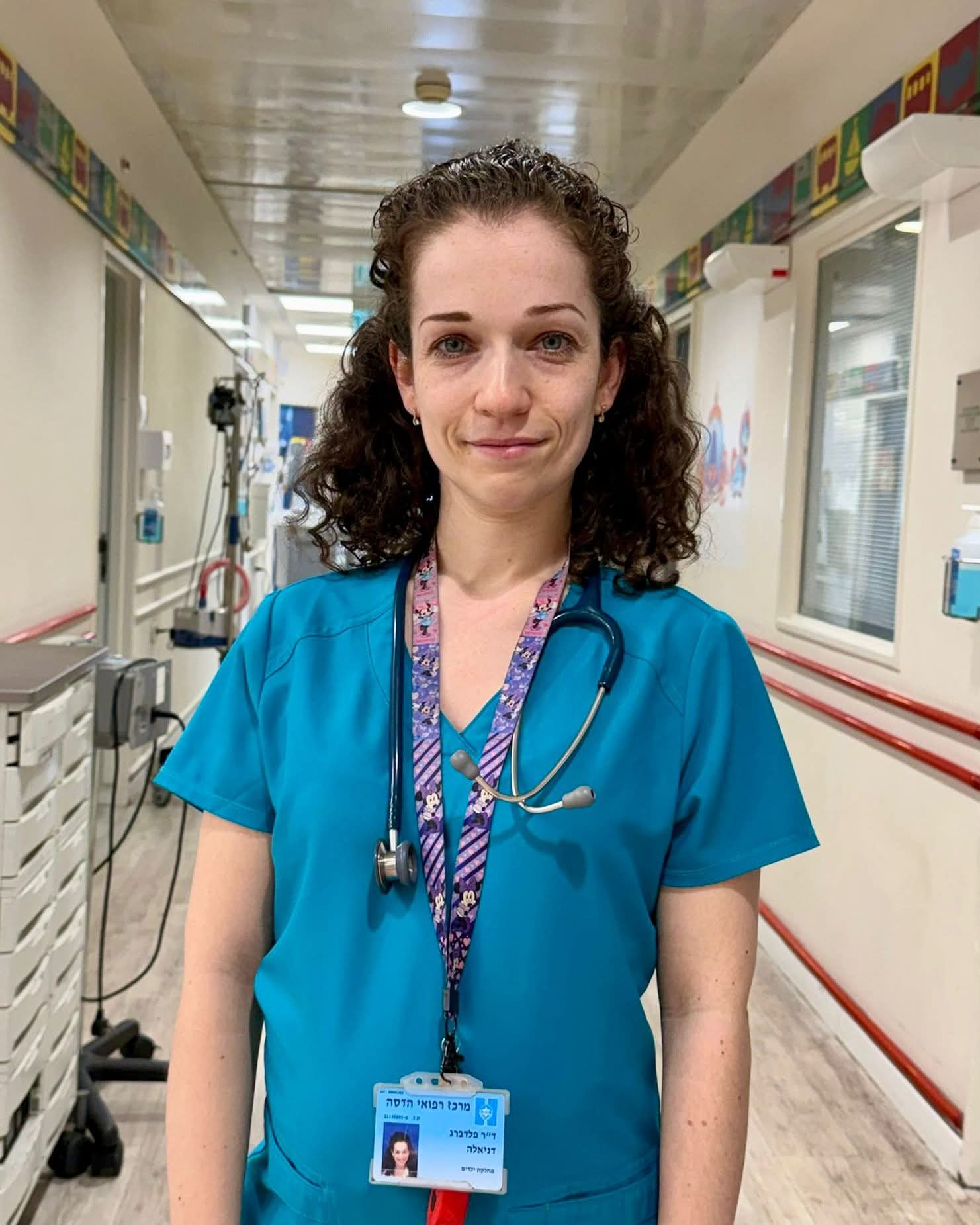
Dr. Daniela Feldberg, a resident in the pediatric department at the hospital, says the patient was “unresponsive, did not answer questions, and did not communicate at all. Dr. Feldberg’s examination also revealed neck stiffness, leading her to suspect meningitis.
A lumbar puncture performed shortly afterward, along with blood test results, confirmed the diagnosis: The patient had bacterial meningitis caused by meningococcus, most likely type B. The girl was admitted to the pediatric ward and received further antibiotic treatment.
Dr. Oren Gordon, a pediatric infectious disease specialist, who was also involved in the patient’s treatment, explains that every second counts in the diagnostic process. “The Meningococcal bacteria causes a disease that is difficult to identify in time, and even when it is identified, in many cases treatment comes too late and is not effective. The main way to deal with it is prevention through vaccination. The Bexsero vaccine which protects against meningococcal group B disease is available in Israel, but it is not included in the routine immunization schedule.”
Dr. Feldberg concludes: “It is very gratifying and moving to look at the young girl and understand that her life was saved, to see her recovering and healing. This is the greatest reward.”