

Hadassah Medical Organization in Jerusalem is testing a groundbreaking weight-loss intervention that replaces a scalpel with hypnosis, blending psychology, neuroscience and surgical simulation in a way that is drawing international attention.
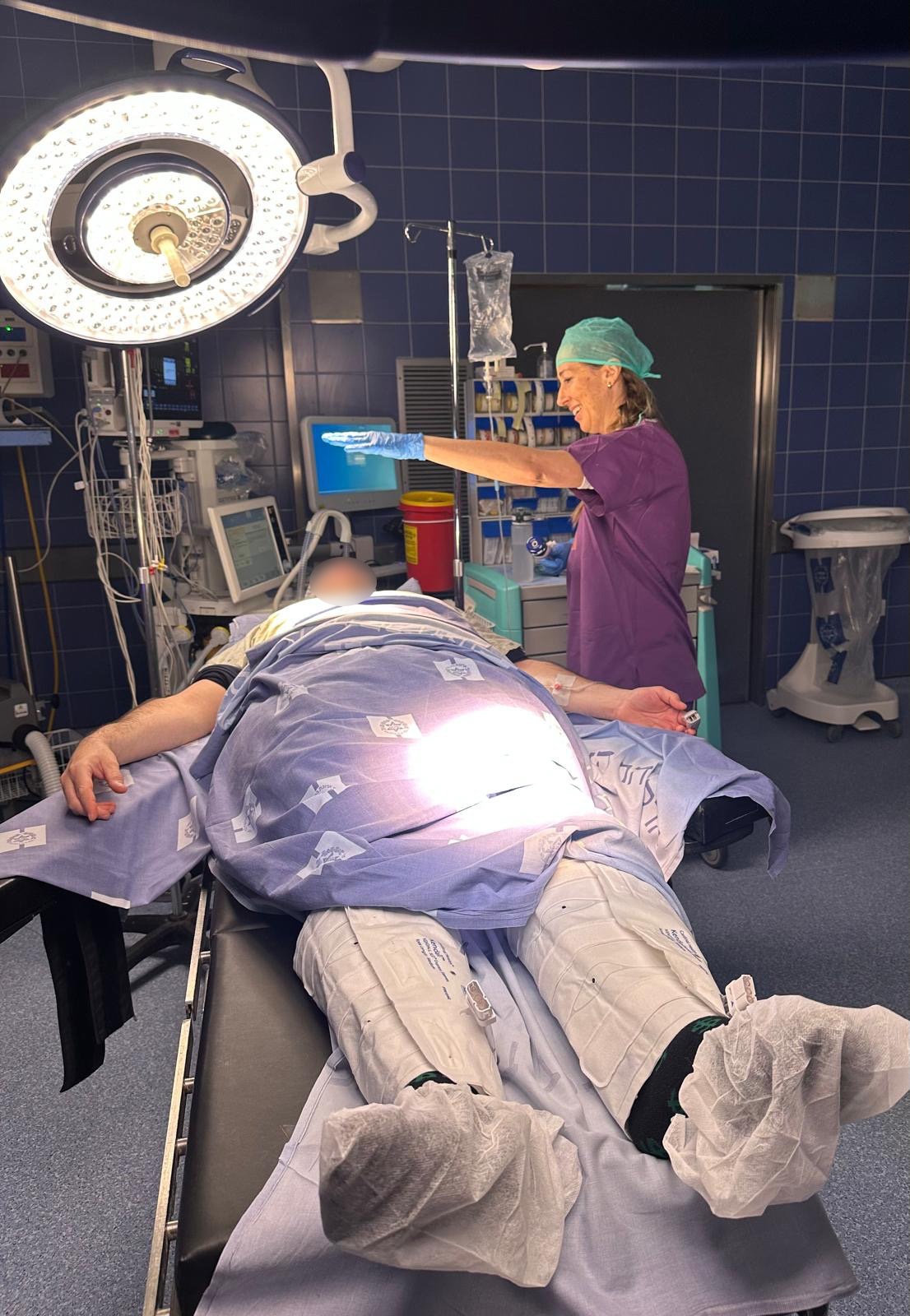
In a real operating theatre at Hadassah Medical Organization’s Mount Scopus campus, patients dress in surgical gowns, are connected to monitors and IV lines without needles, and undergo what feels like a full bariatric sleeve gastrectomy procedure, even though no incisions are ever made. Instead, the entire operation takes place through guided hypnosis.
The study is led by medical psychologist and certified hypnotherapist Maya Mizrahi, who works in collaboration with multidisciplinary Hadassah team that includes Dr. Tamar Elram, director of Hadassah Mount Scopus; Prof. Haggi Mazeh, head of the surgical department; Dr. Ronit Greenbaum, senior bariatric surgeon; Dr. Yorai Tal Ron, psychiatrist; Prof. Danny Ben Zvi, head of the metabolism and diabetes research lab at Hebrew University; and Dr. Eitan Abramowitz, psychiatrist and medical hypnosis specialist. Their goal is to recreate the physical and behavioural effects of sleeve gastrectomy surgery without the risks, post operative recovery or long-term complications associated with real bariatric intervention.
Early results are striking. Most participants lost an average of 10 percent of their body weight within three months, similar to the success rates of some leading weight loss medications but without injections or surgical trauma. The study currently includes 41 participants: 19 who previously underwent bariatric surgery and 22 who had no prior surgical intervention. After three months, 35 participants (86 percent) were losing weight. Among those who had past bariatric operations, 66 percent shed more than 20 percent of their excess weight. Among those without previous surgery, 55 percent achieved the same result.
For “Rose,” 69, from Jerusalem, the study has been life changing. Years after losing 60 kilograms through conventional bariatric surgery, she gradually regained weight and feared she would require another operation. “I thought I would have to cut into my body again,” she said to Ynet. “But after the hypnotic surgery, everything changed. I go to cafés and I’m not tempted by pastries. It’s magic.” She ultimately lost 17 kilograms in just three months.
The hypnotic procedure is intentionally immersive. Patients are asked to fast the day before, and on the day of the operation they are dressed in surgical garments, connected to an EKG, an IV line without a needle and monitoring devices. Mizrahi, dressed in full surgical attire, leads each patient into a cool, brightly lit operating room and begins with a visual briefing of the steps of sleeve gastrectomy. She then induces a hypnotic state and, over a 50-minute session, guides the patient through each stage of the simulated surgery, including descriptions of the medical instruments used and the imagined locations of incisions.
“The brain doesn’t distinguish between reality and imagination,” Mizrahi explains. “By creating a scenario in which the brain believes the body is undergoing surgery, the mind can trigger the same positive effects such as sensations of fullness, self-control, confidence and motivation for change.” Throughout the script, reinforcing messages promote satiety, discipline, the desire to exercise and mindful eating.
Participants take part in five structured sessions, which include guided self-hypnosis, follow up conversations, phone check ins, a printed nutritional guide, and blood tests to measure levels of ghrelin and leptin, hormones associated with hunger and fullness. These help researchers evaluate whether hypnosis has any measurable influence on appetite regulation.
Yuval, 45, a nurse and combat medic in the IDF reserves, also enrolled in the study. Having previously lost weight and regained much of it, he sought an alternative to real bariatric surgery. “The hypnotic surgery feels very real,” he said. “You truly feel like you’ve had surgery, so you find yourself sticking to the strict dietary rules that follow real surgery.” Yuval lost 25 kilograms in about five months, and says that even eight months later, some of the habits established through hypnosis remain.
Although hypnosis is used in some countries for weight loss, the field remains unproven. What makes this study unique is its combination of guided visualisation with a tangible, sensory simulation in a real operating room, an approach that may strengthen the placebo effect and deepen behavioural change. Full study findings are expected later this year.
“This could open a new pathway in obesity treatment,” Mizrahi said. “And even at worst, it helps patients reconnect with their bodies and regain control.”